«Il était une fois un jeune homme du nom de Robert Mirroy, à qui les rentes que lui avaient laissées ses parents permettaient d’avoir une existence composée uniquement de loisirs.
Vers le même temps, dans le même élégant quartier, vivait une charmante fille qui, n’ayant pour le travail qu’une inclination inversement proportionnée à celle qu’elle éprouvait pour les jolies choses, avait compris que le peu d’importance de l’héritage que lui avait transmis sa mère n’était pas, à condition qu’elle l’explorât intelligemment, un obstacle à la satisfaction de ses goûts. Cet héritage se composait, 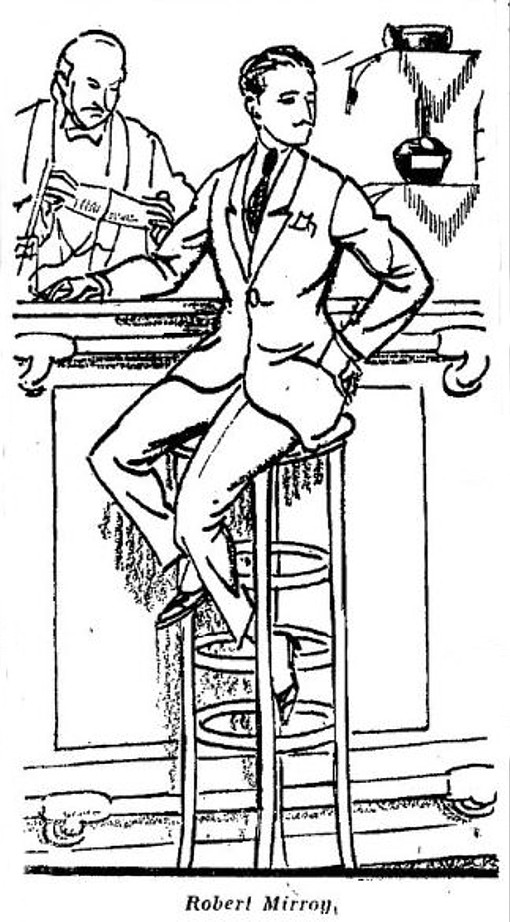 en tout et pour tout, de tous les avantages corporels, intellectuels et moraux que les poètes se plaisent à prêter aux femmes qu’ils aiment, et d’un nom capable, à lui seul, de détruire l’heureux effet de toutes ces qualités réunies. Cette charmante fille s’appelait Geneviève Tringle. Avant même d’y jeter son bonnet, Geneviève avait donc envoyé son nom par-dessus les moulins et l’avait remplacé par celui de Ginette Calyne, opération qui lui avait prouvé qu’elle était capable de jugement, car, dès qu’elle se fut appelée de ce nom qui pouvait si facilement être entendu comme un programme, elle avait vu la vie lui sourire sur les lèvres de tous les hommes à qui elle était présentée, — et, en particulier sur celles de Léon Mirassol, unique fils et héritier des Bouillons Mirassol, des Crémeries Mirassol, des Pâtisseries Mirassol, des Boucheries Mirassol et des Épiceries Mirassol, Léon, s’il avait voulu, eût pu, d’un geste, condamner Paris au jeûne, mais il n’y pensait guère. Le Sport, qu’il cultivait depuis son enfance, avait développé ses muscles, mais n’avait pas affaibli son intelligence au point de l’empêcher de s’apercevoir qu’il serait le prisonnier de ses innombrables affaires s’il ne prenait pas le parti de les diriger d’un peu loin. N’est-ce pas une sorte de superstition qui veut qu’un homme d’affaires ait un bureau ? Grâce au téléphone, un homme organisé a-t-il besoin d’être au milieu d’eux pour que ses employés et ses ouvriers sentent l’heureux effet de sa présence ? Léon Mirassol n’avait donc pas de bureau, mais il avait une maîtresse, Ginette Galyne, et c’était de chez elle qu’il menait ses nombreuses entreprises, de chez elle ou de ces dancings et restaurants diurnes et nocturnes où une beauté telle que celle de Ginette s’épanouit le plus complètement. Étant si occupé, et ayant si bien su organiser ses occupations, Mirassol ne comprenait pas que Ginette pût rester désœuvrée, ni que son désœuvrement à elle pût être, puisqu’elle ne quittait pas son amant d’un pas, aussi absorbant que ses occupations à lui. Il aurait voulu qu’elle fît quelque chose : du Théâtre ou du Cinéma, était persuadé qu’elle y eût réussi du premier coup. Il aurait d’ailleurs fait tout ce qu’il aurait fallu pour cela. Mais Ginette résistait à ce désir dont elle ne voulait pas admettre la légitimité et préférait, à une occupation qui lui eût créé des loisirs, un désœuvrement qui ne lui laissait pas une minute de liberté.
Les deux désœuvrements de Ginette Calyne et de Robert Mirroy devaient finir par se rencontrer. La conjonction eut lieu au « La Marzelle Palace », le dernier dancing à la mode, celui où, chaque jour, et deux fois par jour, à six heures et à minuit, douze petites femmes se déshabillent, se baignent dans une piscine spécialement installée à cet effet et « L’eau fraîche en contact avec le corps, produit invariablement les mêmes effets. Il en résulte d’abord, un frissonnement général accompagné de suffocation. La peau présente le phénomène de la chair de poule ; elle pâlit, semble se resserrer ; et le sang, chassé des vaisseaux capillaires de la périphérie, reflue vers les parties profondes. Mais bientôt ces impressions désagréables se dissipent ; la peau se colore et paraît se réchauffer ; la respiration devient plus ample ; le corps semble plus souple, plus léger, et l’on croit sentir le fluide sanguin, courir abondamment à travers les capillaires, presque vides tout à l’heure. A la constriction générale du début, succède une sorte d’expansion, se traduisant par un sentiment de bien-être général, par la réaction. » — Armand-Maurice-Camille Greuell (Dr.), Établissement hydrothérapique de Gérardmer, guide du baigneur et du touriste. Paris, 1880.font leur réaction sans cesser un seul instant de danser « Danse très rythmée, d’origine américaine, à la mode en France vers 1920-1930, que l’on exécutait en secouant les épaules et les hanches. » — Trésor de la langue française.le shimmy aux accents d’un orchestre mi-hawaïen, mi-fuégien.
Donc, 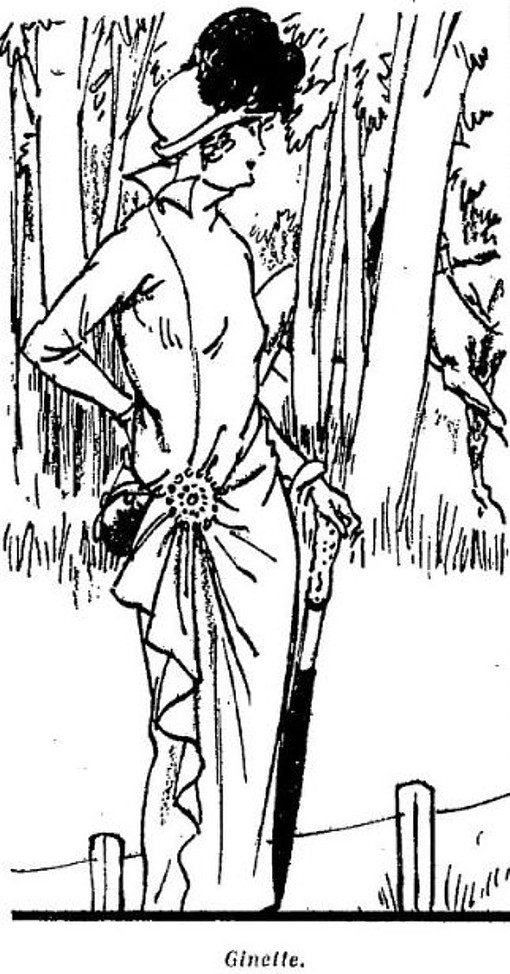 Robert Mirroy prenait un cocktail au bar du « La Marzelle Palace », lorsque Ginette, escortée de Mirassol, vint s’installer à une table à quelques pas de lui. Le jeune homme, dès qu’il aperçut Ginette, orna son arcade sourcilière droite de son monocle et ses lèvres de ce sourire que la jeune femme connaissait si bien et dont elle savait la signification précise, et qui, neuf fois sur dix, ne provoquant en elle nulle surprise, ne lui procurait aucun plaisir. Sans doute, Ginette avait-elle ce jour-là rencontré déjà neuf sourires, masculins et indifférents, et le sourire de Robert Mirroy arrivait-il bon dixième, car il fit lever dans le cœur de la jeune femme — était-ce bien son cœur ? — un émoi non dénué d’agrément qui établit entre elle et le jeune homme, par-dessus la tête de Mirassol, une de ces communications auprès desquelles les miracles de la T. S. F. apparaissent jeux d’enfants.
Mais Mirassol, à qui l’usage constant du téléphoné devait avoir donné la faculté de percevoir les communications entre individus de quelque ordre qu’elles fussent, ne tarda pas à remarquer celle dont les ondes menaçant son front avaient pour poste émetteur et récepteur, le tabouret du bar et la table à thé… Il se dressa, fut en trois enjambées nez à nez avec Robert Mirroy et lui cria : « Je crois, Monsieur, que vous faites de l’œil à ma maîtresse ! » Robert 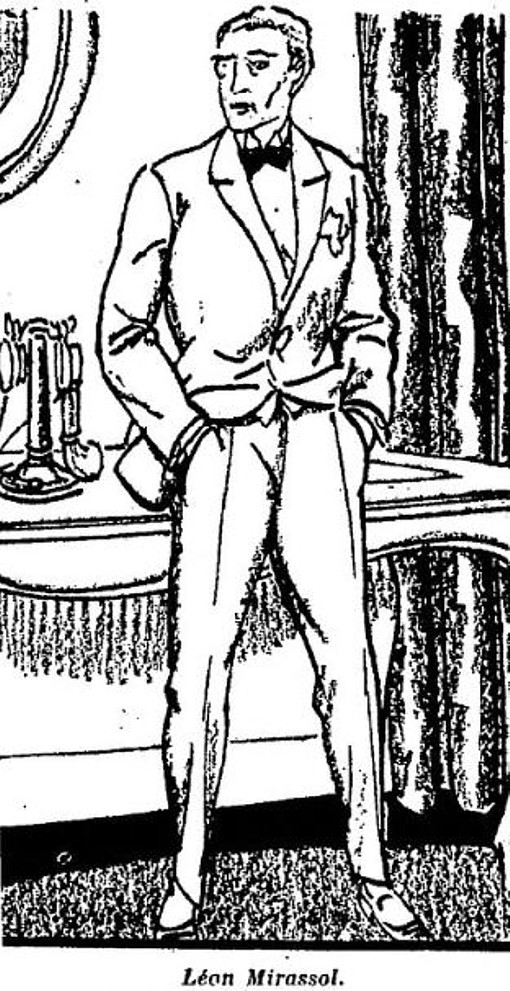 n’aimait pas les gens qui crient si fort. Il allait répliquer, lorsque la taille quasi herculéenne, les muscles et l’air décidé de Mirassol le frappèrent. Il pensa que, s’il répondait, il ne tarderait sans doute pas à être frappé d’une manière probablement encore plus désagréable, et se tut, non par lâcheté, mais parce que, ami de l’inaction, il ne tenait pas à se laisser aller à un acte qui risquât de troubler ses chers loisirs. Et puis, là-bas, à la petite table de thé, il y avait un sourire auquel la crainte donnait un charme de plus… La voix herculéenne répétait : « Je vous ai demandé, Monsieur, pourquoi vous faisiez de l’œil à ma maîtresse ! » Le ton était si menaçant que Robert Mirroy eut une idée : « Vous vous trompez, Monsieur, je ne fais pas de l’œil à Mademoiselle. Je la regarde en artiste, voilà tout. Je suis metteur en scène de ciné et je cherche pour mon prochain film une interprète dont Mademoiselle est le type parfait… Votre amie fait-elle du ciné ? » Mais déjà Mirassol n’écoutait, plus. Il courait à la table, saisissait par îe bras Ginette qui ne savait ce qui arrivait, et l’entraînait près de Robert. « Mademoiselle Ginette Calyne »., présentait-il. « Monsieur ?… » Robert, sentant confusément que ce geste était maintenant sans danger, tirait une carte de son portefeuille et la tendait à Mirassol qui achevait la présentation : « Monsieur Robert Mirroy, metteur en scène de ciné, dont tu es le type parfait… » –— « Oh ! Monsieur » ! rougissait Ginette… « Ne fais donc pas de chichis… Entre artistes… » bougonnait Mirassol qui se tournait vers Robert et lui demandait : « Quand avez-vous besoin de cette enfant ? » et sans laisser au jeune homme ahuri le temps de répondre : « Demain, n’est-ce pas ? Demain matin… à quelle heure ? Et où ? » Robert était fou. Il ne prévoyait pas que les choses tourneraient ainsi… Dans quel guêpier était-il allé se fourrer ! Un instant il fut sur le point de tout avouer, mais un coup d’œil suffit à le convaincre que Mirassol n’était pas moins herculéen que cinq minutes plus tôt… Un duel avec lui rendrait impossible tout rapport avec Ginette qui, de près, était encore plus charmante que de loin, et qui souriait d’un sourire à faire un metteur en scène, du plus paresseux des oisifs parisiens, « C’est cela, consentit-il en regardant la jeune femme. Nous passerons vous prendre en auto, puisque je vois sur votre carte que vous habitez à deux pas de la petite… Ah ! je suis bien content ! exultait Mirassol en se frottant les mains. Je te disais bien que tu avais tout ce qu’il fallait pour réussir au Cinéma. »
Sous prétexte de surveiller les derniers préparatifs de son travail, Robert Mirroy se sauva. Il passa une nuit atroce. Jusqu’à minuit, il courut Paris pour découvrir un camarade qui put lui vendre un scénario possible, un opérateur et un régisseur capables de lui procurer les appareils indispensables, les artistes et la figuration nécessaires, le studio et les décors sans lesquels le poing de Mirassol ne manquerait pas de s’appliquer sur son visage et le sourire de Ginette de disparaître… À coups de billets de mille, il avait triomphé de toutes les difficultés, mais il était éperdument amoureux de Ginette… Le lendemain matin, Robert Mirroy se transforma en metteur en scène, comme on se jette à l’eau,.. Il manipula des décors, s’agita au milieu des phares, des « sunlights », bouscula ses collaborateurs, fit de grands gestes, employa des mots bizarres qu’on lui avait appris à la hâte, déploya une activité qui donna de lui une très haute idée à l’homme d’action qu’était Mirassol et réussit enfin à échanger avec Ginette, derrière une toile de fond qui représentait le Sacré-Cœur vu de la Tour Eiffel, un baiser qui, pour être hâtif, n’en eut pas moins pour résultat de prouver aux deux jeunes gens qu’ils venaient d’entamer le premier chapitre d’un grand amour.
Il y avait sans doute en Robert un « Plus que tout autre metteur en scène, David Wark Griffith (1875-1948) incarne le cinéma muet américain. Réalisateur de plus de quatre cent cinquante films, on lui doit des chefs-d’œuvre dont les noms jalonnent l’histoire du septième art : Naissance d’une nation, Intolérance, Le Lys brisé, La Rue des rêves… À une époque où le cinéma imitait le théâtre, Griffith introduisit les innovations techniques et les recherches plastiques les plus stupéfiantes et fit du cinéma naissant un art authentique. Son influence fut telle qu’Eisenstein put déclarer : “C’est Dieu le Père, il a tout créé, tout inventé. Il n’y a pas un cinéaste au monde qui ne lui doive quelque chose. Le meilleur du cinéma soviétique est sorti d’Intolérance. Quant à moi, je lui dois tout.” » — UniversalisGriffith insoupçonné et en Ginette une Mary Pickford ignorée que ce baiser éveilla, car le film entrepris dans d’aussi bizarres conditions fut un chef-d’œuvre qui conquit les écrans parisiens et américains les plus rebelles et rendit célèbres dans les deux hémisphères. les deux noms accolés de Robert Mirroy et de son interprète Ginette Calyne. Une si complète réussite ne fut même pas gâtée par la crainte qu’aurait pu éprouver Robert de voir ses rapports avec Léon Mirassol se terminer par quoi ils auraient dû logiquement commencer, c’est-à-dire par un duel, ni par celle qu’éprouva quelques instants Ginette de peiner son ami, car Léon Mirassol, la première fois qu’il avait accompagné sa maîtresse au studio où Robert s’était révélé à lui-même, y avait fait la connaissance d’une jeûne personne qui venait de quitter l’administration des P. T. T.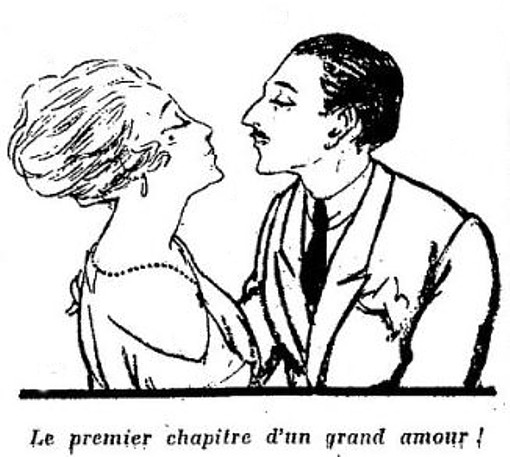 pour débuter au Cinéma. Celle-ci avait révélé au brasseur d’affaires le mot mystérieux qui permet d’obtenir rapidement les communications téléphoniques. Mirassol, touché, avait témoigné sa reconnaissance à l’ex-téléphoniste en faisant d’elle sa maîtresse, et celle-ci qui trouvait que son amant n’était pas assez occupé, l’avait poussé à fonder une maison de retraite pour les téléphonistes sourdes. Cette œuvre charitable occupa si bien Mirassol, qu’il délaissa bientôt ses multiples et peu absorbantes affaires pour se consacrer tout entier et avec la plus grande activité à cette bienfaisante entreprise. Dès ce jour, Paris compta donc un philanthrope, un grand metteur en scène et une étoile cinématographique de» plus ; et trois désœuvrés de moins, ce qui est un résultat plutôt imprévu pour une banale histoire d’amour.
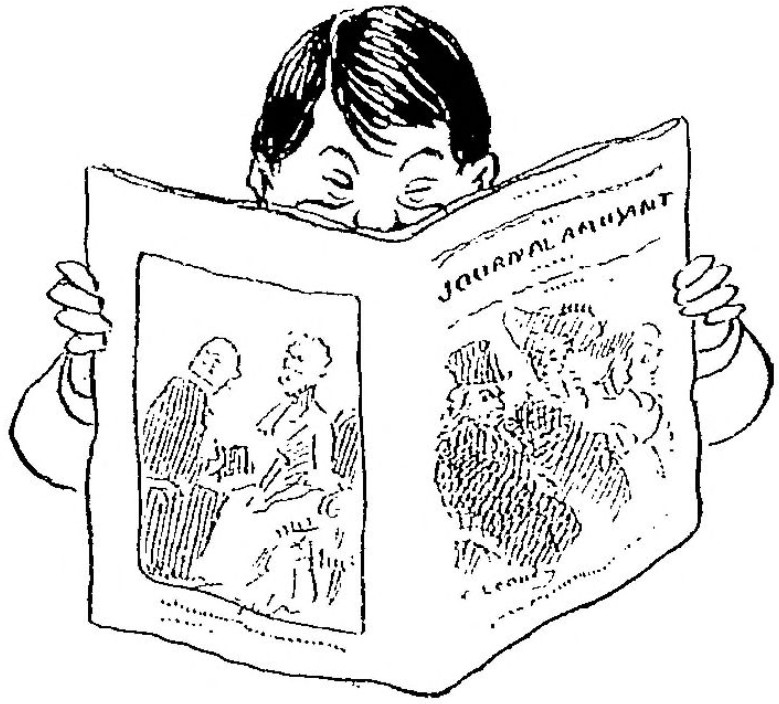
René Jeanne, « Les Débuts de Ginette », in Le Journal amusant, journal illustré, journal d’images, journal comique, critique, satirique, etc. 7 avril 1923. Illustrations de Mars-Trick.

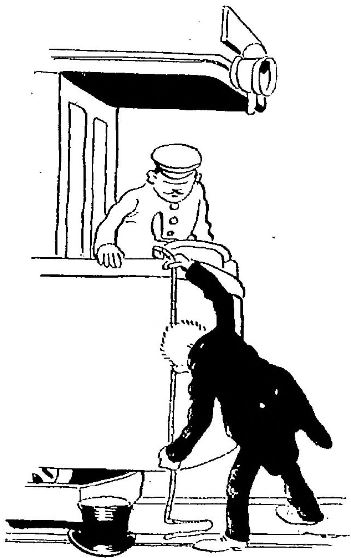 mais on connaît quand même parler français. »
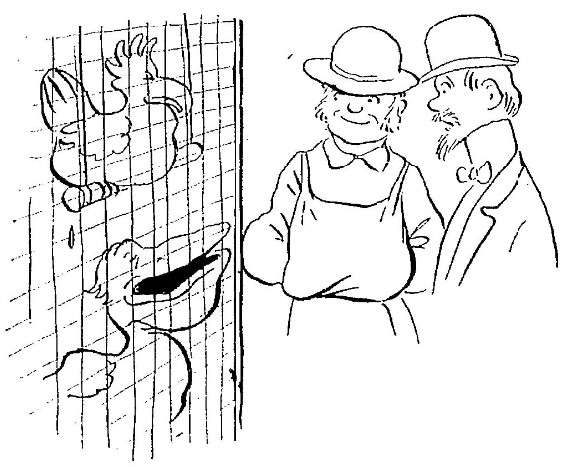 « un concours au jeu de cartes pour lapins et coqs, chez Mme veuve Maurice Laune, rue du Château ». Que dites-vous de ces matches entre animaux si différents ? quel dressage préalable ils supposent et quelle intelligence chez ces humbles bêtes ! Ce ne sont point des gallinacés vulgaires qui peuvent ainsi cartonner ; et, quant aux lapins, ce sont de fameux lapins !…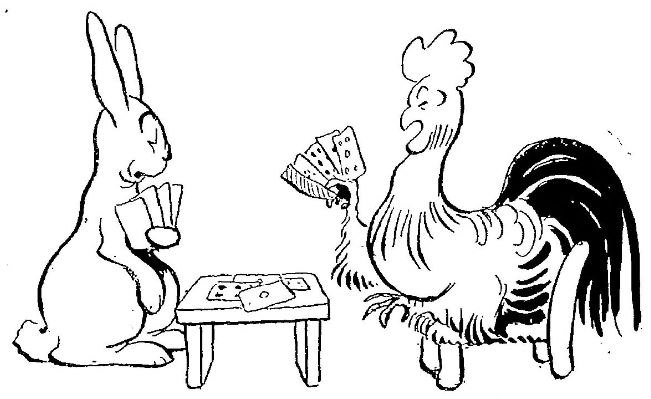
 le couple va se balader dans la campagne ; monsieur témoigne de connaissances botaniques :
 Veaux (